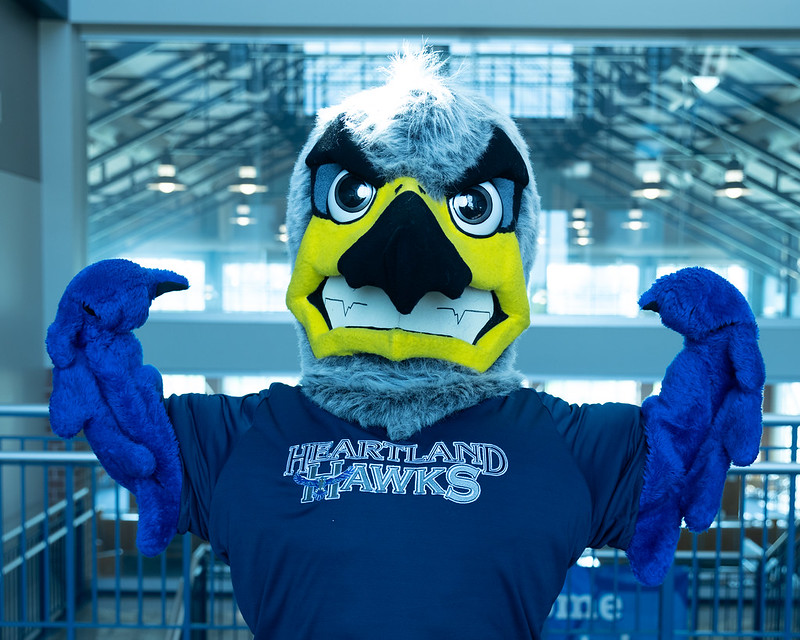
Joe Company, Assistant Professor
Teaches: Biology, Health
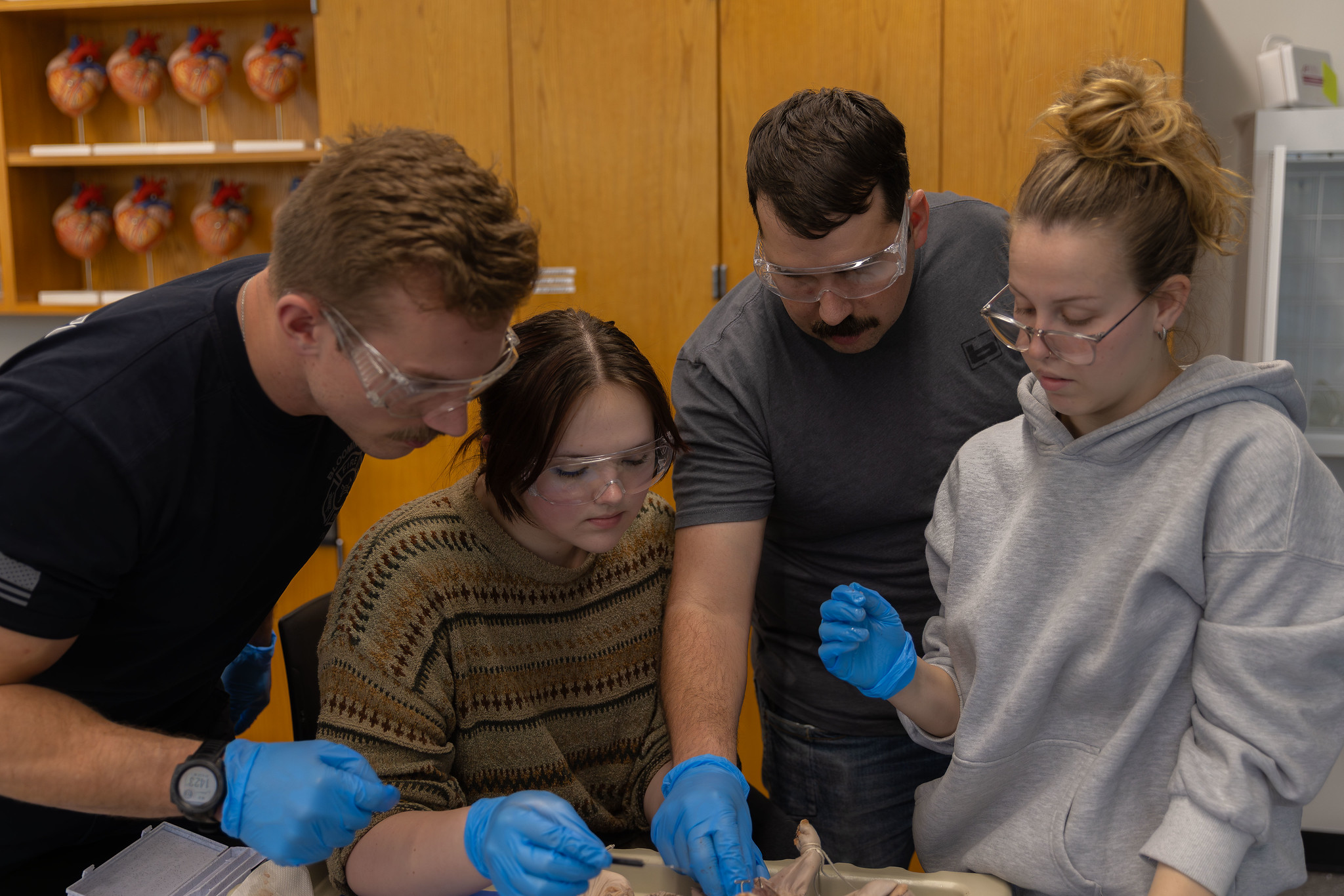
Biology is the study of life and living systems. From molecules and cells to organisms, ecosystems, and the environment. It helps us understand how living organisms function, interact, and adapt, and how scientific discoveries improve health, protect the environment, and shape our everyday lives.
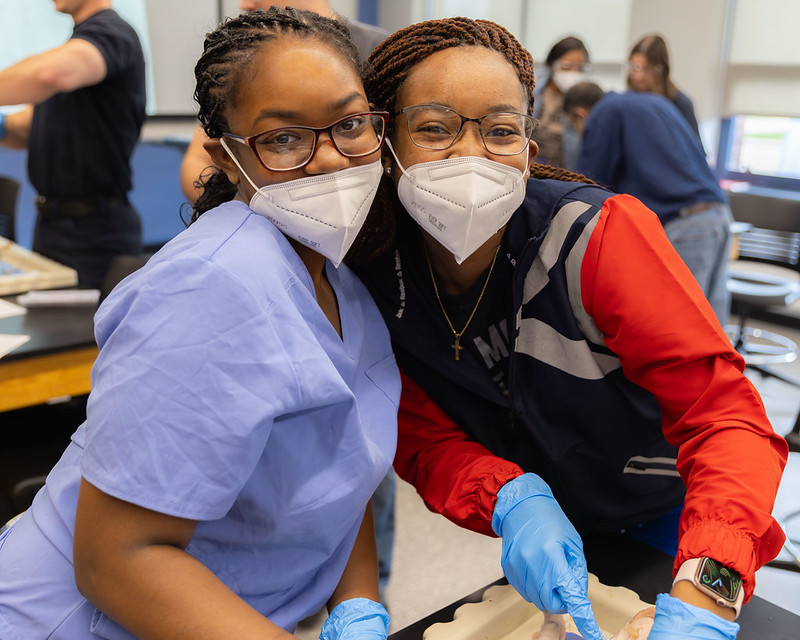
In the Biology Department, students explore core biological concepts through hands-on laboratory experiences, critical thinking, and real-world applications. Our courses are designed to support a variety of goals, including transfer to four-year institutions, preparation for allied health and science careers, and personal exploration of the natural world. Biology provides a strong foundation for future study and career success.
You'll learn about cutting-edge developments in fields like genetics and microbiology. Evolution, anatomy and physiology, as well as connections between plants, animals and society will also be explored. By completing an associate degree with emphasis in biological sciences you'll be able to:
(average class size, success rates, transfer rates, where alumni have found employment)
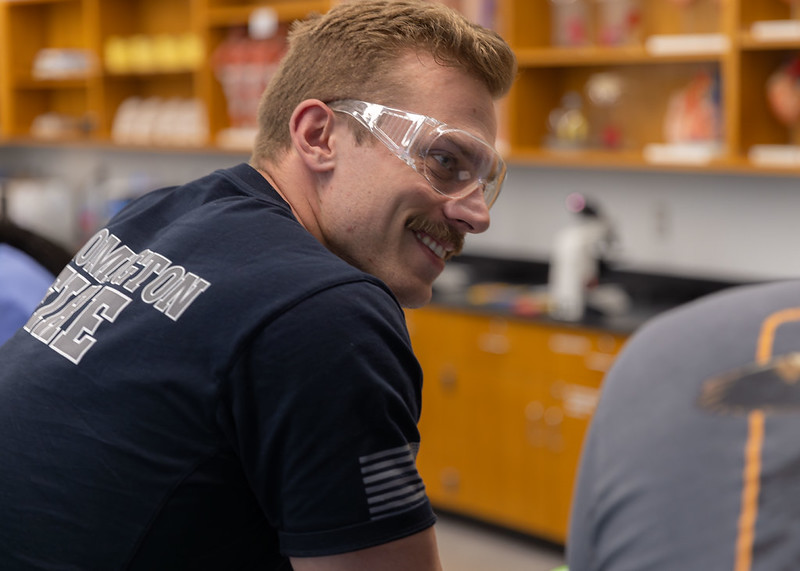
Teaches: Biology, Health
Background information here
Background information here
Background information here
Background information here
Heartland Community College is a participant in the Illinois Articulation Initiative (IAI), a statewide transfer agreement among more than 100 colleges and universities in Illinois. For more information about the Illinois Articulation Initiative, please visit the IAI website.
For completion of the Associate in Arts degree, you will need to complete a minimum of 37 general education core curriculum (GECC) hours, within 7 categories, as part of the 60-credit hour degree. For the completion of the Associate in Science degree, you will need to complete a minimum of 41 general education core hours as part of the 60-credit hour degree. The remaining credit hours are electives. The icons you see below indicate what category of IAI your course will satisfy. You will find these icons throughout the schedule within the course description. Please click on the category to view what courses Heartland has to offer within each of the required categories.
View what courses Heartland has to offer within each of the required categories:
Communications
Fine Arts
Humanities
Life Sciences
Mathematics
Physical Sciences
Social & Behavioral Sciences
Employment for biological technicians is projected to grow 9% from 2021 to 2031 as research and development will create new jobs related to health issues.*
*Bureau of Labor Statistics, U.S. Department of Labor, Occupational Outlook Handbook, Biological Technicians, at https://www.bls.gov/ooh/life-physical-and-social-science/biological-technicians.htm.
ICB 2400
1500 W Raab Road
Normal, IL 61761
Phone:
Fax:
Associate Director, Science Laboratories
Email: Christy.Fornero@heartland.edu
Phone: (309) 268-8519
Coordinator – STEM & Business
Email: Jennifer.Antonini@heartland.edu
Phone: (309) 268-8651
Associate Dean, STEM & Business
Email: Brian.Brennan@heartland.edu
Phone: (309) 268-8639